
Sleep, Growth and Airway: A Clinical Look at Pediatric Sleep-Disordered Breathing
Sleep Breathing Disorders in Children represent a critical yet often overlooked area of dental and medical care; therefore, they directly influence craniofacial growth, behavior, learning, and overall development. In pediatric healthcare, early identification is no longer optional—it is essential for …
Overview
Sleep Breathing Disorders in Children represent a critical yet often overlooked area of dental and medical care; therefore, they directly influence craniofacial growth, behavior, learning, and overall development. In pediatric healthcare, early identification is no longer optional—it is essential for preventing long-term functional and skeletal consequences.
Beyond snoring alone, pediatric sleep breathing disorders are biologically and developmentally driven; therefore, they depend on airway anatomy, growth patterns, neuromuscular control, and timely intervention. When ignored or misinterpreted, problems progress—when identified early, outcomes can be life-altering.
This lecture explains pediatric sleep physiology, airway development, and sleep breathing disorders; consequently, it clarifies the dentist’s role in recognizing early signs such as mouth breathing, snoring, sleep disturbances, and behavioral concerns. It also highlights how delayed diagnosis impacts facial growth, occlusion, and systemic health.
It emphasizes screening protocols, clinical examination, risk factors, and interdisciplinary referral pathways; meanwhile, it addresses age-appropriate management options and realistic expectations. Participants therefore learn structured, step-by-step approaches to integrate pediatric sleep screening into routine dental practice.
This session on IIDR also demonstrates how early dental intervention and timely referral can improve airway health, sleep quality, behavior, and craniofacial development—reducing the need for complex treatment later in life.
Through clinical examples and evidence-based discussion, this session builds clarity and confidence in managing pediatric sleep breathing disorders. Therefore, it empowers clinicians to screen early, intervene responsibly, and collaborate effectively for predictable, long-term outcomes.
Key Takeaways
-
Understanding sleep physiology and airway development in children
-
Recognizing early signs of pediatric sleep breathing disorders
-
Dental screening protocols for snoring and sleep-disordered breathing
-
Impact of sleep disorders on growth, behavior, and facial development
-
Dentist’s role in early intervention and interdisciplinary care
-
Referral timing and collaborative treatment planning
-
Avoiding missed diagnosis and delayed management
Join Dr Shagun Rajpal for an insightful session on IIDR designed to strengthen early diagnosis, airway awareness, and responsible intervention in pediatric dental practice.
Because identifying sleep problems early can change a child’s growth, health, and future.
Curriculum
- 3 Sections
- 4 Lessons
- 10 Weeks
Instructor

FAQs
Requirements
- BDS, MDS, dental interns, and final-year BDS students
- Fundamental understanding of oral anatomy, growth, and development
- The webinar is beginner-friendly and does not require previous experience in sleep medicine
- Interest in pediatric dentistry, airway health, and early intervention
- Stable internet connection
- Laptop, tablet, or smartphone with audio capability
- Openness to screening-based diagnosis and interdisciplinary collaboration
Features
- Emphasis on identifying sleep breathing disorders at the earliest clinical stage
- Clear understanding of sleep physiology and airway development in children
- Simple, practical methods easily integrated into routine dental visits
- Insight into how sleep disorders affect craniofacial growth, behavior, and learning
- Clear guidance on referral pathways and collaborative pediatric care
- Real clinical scenarios highlighting early signs and management strategies
- Focus on timely intervention to reduce long-term complications
- Applicable for general, pediatric, and orthodontic dental practices
Target audiences
- General Dental Practitioners treating children in routine practice
- Pediatric Dentists managing growth, development, and airway concerns
- Orthodontists involved in craniofacial growth and early intervention
- Postgraduate Students (MDS) in Pediatric Dentistry, Orthodontics, and Oral Medicine
- Dental Interns & Final-Year BDS Students building foundational diagnostic skills
- Academicians & Educators teaching pediatric growth and development
- Clinicians interested in airway-focused pediatric dentistry
You May Like


All About Dentures
All About Dentures provides a comprehensive understanding of one of the most fundamental yet technique-sensitive aspects of prosthodontic care; therefore, it directly influences function, aesthetics,...


Google My Business for Dentists
Google My Business is now a critical digital tool for dental practices. Often, it determines whether a patient finds your clinic or chooses a competitor....


Failure of Dental Implants- How to deal with it
Early detection and management of implant complications can be the difference between successful and complete treatment failure. Despite advances in surgical techniques and implant materials,...
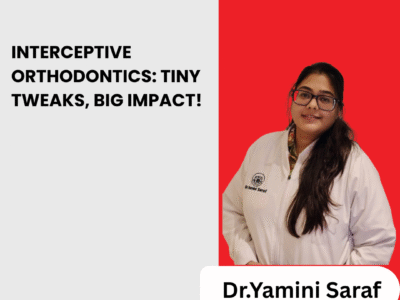

Interceptive Orthodontics: Tiny Tweaks, Big Impact!
Early intervention in orthodontics can make all the difference between a simple correction and a complex case later. Interceptive orthodontics focuses on identifying and addressing...


Perioaesthetic Approach-Soft Tissue Management around Teeth and Implants
Soft tissue management is healthy, well-contoured soft tissues form the foundation of both periodontal stability and aesthetic excellence. In modern dentistry, soft tissue management around...

Course Features
- Lectures 4
- Quiz 1
- Duration 10 weeks
- Skill level All levels
- Language English
- Students 73
- Certificate No
- Assessments Yes