
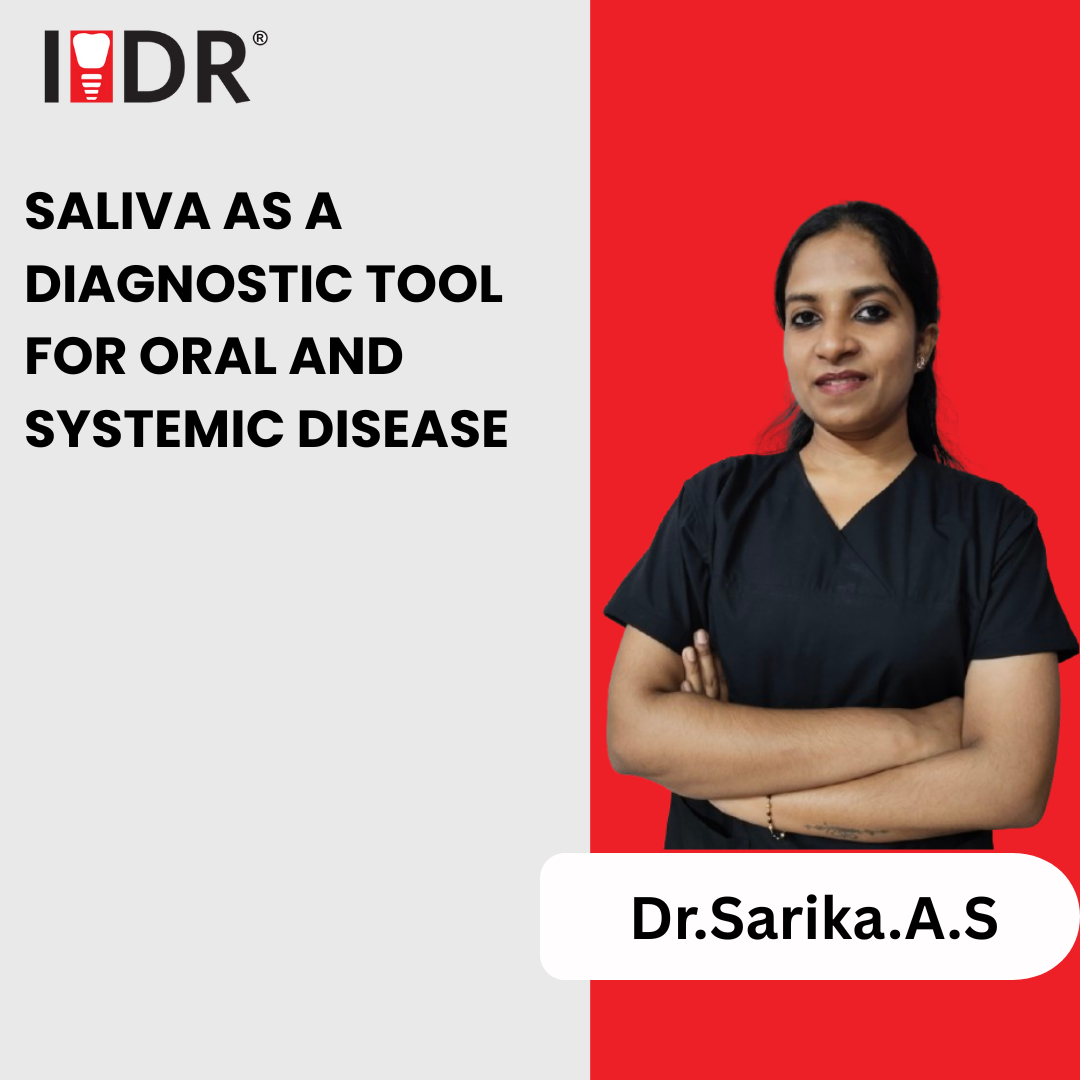
Saliva as a Diagnostic Tool for Oral and Systemic Disease
Saliva as a Diagnostic Tool for Oral and Systemic Disease represents a paradigm shift from invasive testing to chairside, non-invasive diagnostics; therefore, it directly influences early detection, disease monitoring, and preventive healthcare. In modern dentistry, saliva is no longer just …
Overview
Saliva as a Diagnostic Tool for Oral and Systemic Disease represents a paradigm shift from invasive testing to chairside, non-invasive diagnostics; therefore, it directly influences early detection, disease monitoring, and preventive healthcare. In modern dentistry, saliva is no longer just a by-product—it is a valuable biological fluid with powerful diagnostic potential.
Beyond oral health alone, salivary diagnostics are biologically and clinically driven; therefore, they depend on understanding salivary composition, biomarkers, and collection protocols. When interpreted superficially, results mislead—when analyzed correctly, saliva becomes a window into both oral and systemic health.
This lecture on IIDR explains the science behind salivary biomarkers and diagnostic principles; consequently, it clarifies how saliva can aid in detecting oral diseases, systemic conditions, and treatment responses. It also highlights why improper collection and interpretation compromise accuracy.
It emphasizes indications, collection methods, chairside tests, and clinical relevance; meanwhile, it addresses limitations, sensitivity, specificity, and current evidence. Participants therefore learn step-by-step approaches to integrate salivary diagnostics into routine dental practice.
The session also demonstrates how salivary testing supports early diagnosis, risk assessment, and personalized care—while improving patient acceptance through non-invasive methods.
Through case examples and evidence-based discussion, this session builds clarity and confidence in using saliva as a diagnostic medium. Therefore, it empowers clinicians to move toward preventive, predictive, and patient-centered dentistry.
Key Takeaways
-
Biological basis and composition of saliva
-
Salivary biomarkers for oral and systemic diseases
-
Indications and methods for saliva collection
-
Chairside salivary diagnostic tests and applications
-
Advantages and limitations of salivary diagnostics
-
Integrating saliva-based testing into clinical practice
-
Role of saliva in preventive and personalized dentistry
Join Dr Sarika A S for this insightful IIDR session on Saliva as a Diagnostic Tool for Oral and Systemic Disease, designed to enhance diagnostic awareness and integrate non-invasive testing into everyday dental practice.
Because early diagnosis can begin with a simple drop of saliva.
Curriculum
- 2 Sections
- 4 Lessons
- 10 Weeks
- Introduction2 Items
- About the Event2 Items
Instructor

FAQs
Requirements
- BDS, MDS, dental interns, and final-year BDS students
- Fundamental understanding of oral anatomy and disease processes
- The webinar is beginner-friendly and clinically oriented
- Interest in early diagnosis, preventive dentistry, and non-invasive diagnostics
- Stable internet connection
- Willingness to integrate evidence-based diagnostic approaches into routine dental practice
Features
- Understanding saliva as a reliable alternative to blood-based testing
- Insight into diagnostic markers relevant to oral and systemic diseases
- Practical integration of salivary tests into routine dental practice
- Role of saliva in identifying disease at an early, manageable stage
- Current research, accuracy, and clinical relevance explained simply
- Knowing when salivary diagnostics help—and when they don’t
- Emerging trends in saliva-based and personalized dentistry
- Applicable to general, specialty, and academic dental settings
Target audiences
- General Dental Practitioners interested in early and non-invasive diagnosis
- Oral Medicine & Radiology Specialists involved in diagnosis and disease screening
- Postgraduate Students (MDS) in Oral Medicine, Oral Pathology, and Public Health Dentistry
- Dental Interns & Final-Year BDS Students building diagnostic confidence
- Academicians & Researchers interested in salivary diagnostics and evidence-based practice
- Clinicians focused on preventive and personalized dentistry
You May Like

Dental Sleep Medicine: Bridging Dentistry with Sleep Science

Dental Sleep Medicine represents a crucial expansion of modern dental practice beyond teeth and occlusion; therefore, it directly influences sleep quality, systemic health, airway stability,...

Comprehensive Pediatric Dentistry Course

The International Institute of Dental Research (IIDR) Pediatric Dentistry Lecture Series is a comprehensive academic initiative designed to deliver clinically relevant, evidence-based pediatric dental education...
Bio Mechanical Preparation

Biomechanical preparation is the foundation of predictable endodontic success — it goes beyond shaping canals to effective cleaning, disinfection, and tooth structure preservation. This session...
Class II Cavity Prep & Isolation Secrets

Class 2 cavity preparation has played an important role in restorative dentistry today. It goes beyond simply filling cavities — it demands accurate diagnosis, conservative...
Digital Visibility for Dentists: Mastering Social Media in 2025

Digital visibility for dentist’s presence is no longer optional — it is the new front door of every dental practice. This session explores how dentists...
Course Features
- Lectures 4
- Quiz 0
- Duration 10 weeks
- Skill level All levels
- Language English
- Students 40
- Certificate No
- Assessments Yes