
Oral and Maxillofacial Cancers
Oral and maxillofacial cancers refer to malignant tumors that develop in the tissues of the mouth, jaws, or face. These cancers can arise from various structures, including the lips, tongue, gums, cheeks, palate, salivary glands, and jawbones. Risk factors for …
Overview
Oral and maxillofacial cancers refer to malignant tumors that develop in the tissues of the mouth, jaws, or face. These cancers can arise from various structures, including the lips, tongue, gums, cheeks, palate, salivary glands, and jawbones. Risk factors for oral and maxillofacial cancers include tobacco use, excessive alcohol consumption, human papillomavirus (HPV) infection, sun exposure, and a diet low in fruits and vegetables. Symptoms may include persistent mouth ulcers, difficulty swallowing or speaking, swelling or lumps in the mouth or neck, and changes in the voice. Early detection through regular dental check-ups and screenings is crucial for timely diagnosis and treatment. Treatment options may include surgery, radiation therapy, chemotherapy, or a combination of these modalities, depending on the cancer type, stage, and individual patient factors. Early diagnosis and appropriate treatment are essential for improving outcomes and reducing morbidity and mortality associated with oral and maxillofacial cancers. Two experts on the subject will take your through various clinical cases.
Curriculum
- 2 Sections
- 1 Lesson
- 60 Minutes
Instructor


FAQs
Requirements
- BDS MDS
Features
- oral cancers, maxillofacial cancers, cancers
Target audiences
- oral surgeons, all dental practitioners
You May Like


A Beginner’s Guide to Clinical Photography
Clinical dental photography has become an essential part of modern dental practice; therefore, it plays a crucial role in diagnosis, treatment planning, documentation, and patient...


Dentists Induction Training Program
Starting a new role as a dentist in a clinical practice involves more than just clinical knowledge—it requires adapting to the clinic’s workflows, treatment standards,...
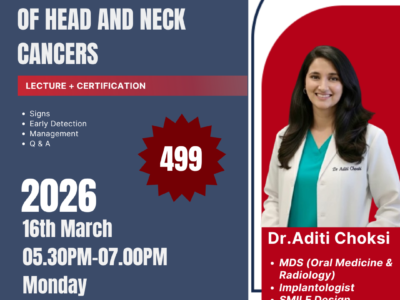

Early Signs and Management of Oral and Maxillofacial Cancers
Signs and Management of Head and Neck Cancers is a critical topic in contemporary dental practice; therefore, it directly impacts early diagnosis, patient survival, treatment...
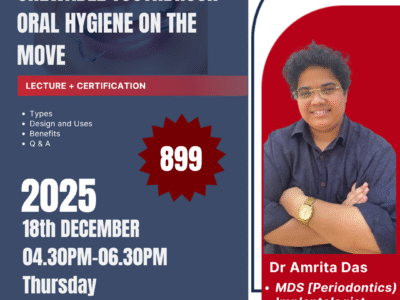

Chewable Toothbrush- Oral hygiene on the move
Effective oral hygiene doesn’t always depend on traditional brushing techniques. The chewable toothbrush offers a practical, travel-friendly, and patient-compliant alternative that supports better plaque control...
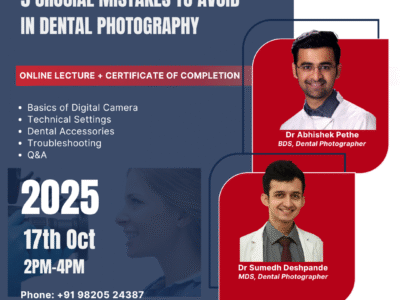

5 Crucial Mistakes To Avoid In Dental Photography
Dental photography is more than just taking clinical pictures — it’s a powerful tool for documentation, diagnosis, patient education, and professional growth. However, even skilled...
Course Features
- Lecture 1
- Quiz 1
- Duration 60 minutes
- Skill level All levels
- Language English
- Students 564
- Certificate Yes
- Assessments Yes