
Dental Photography
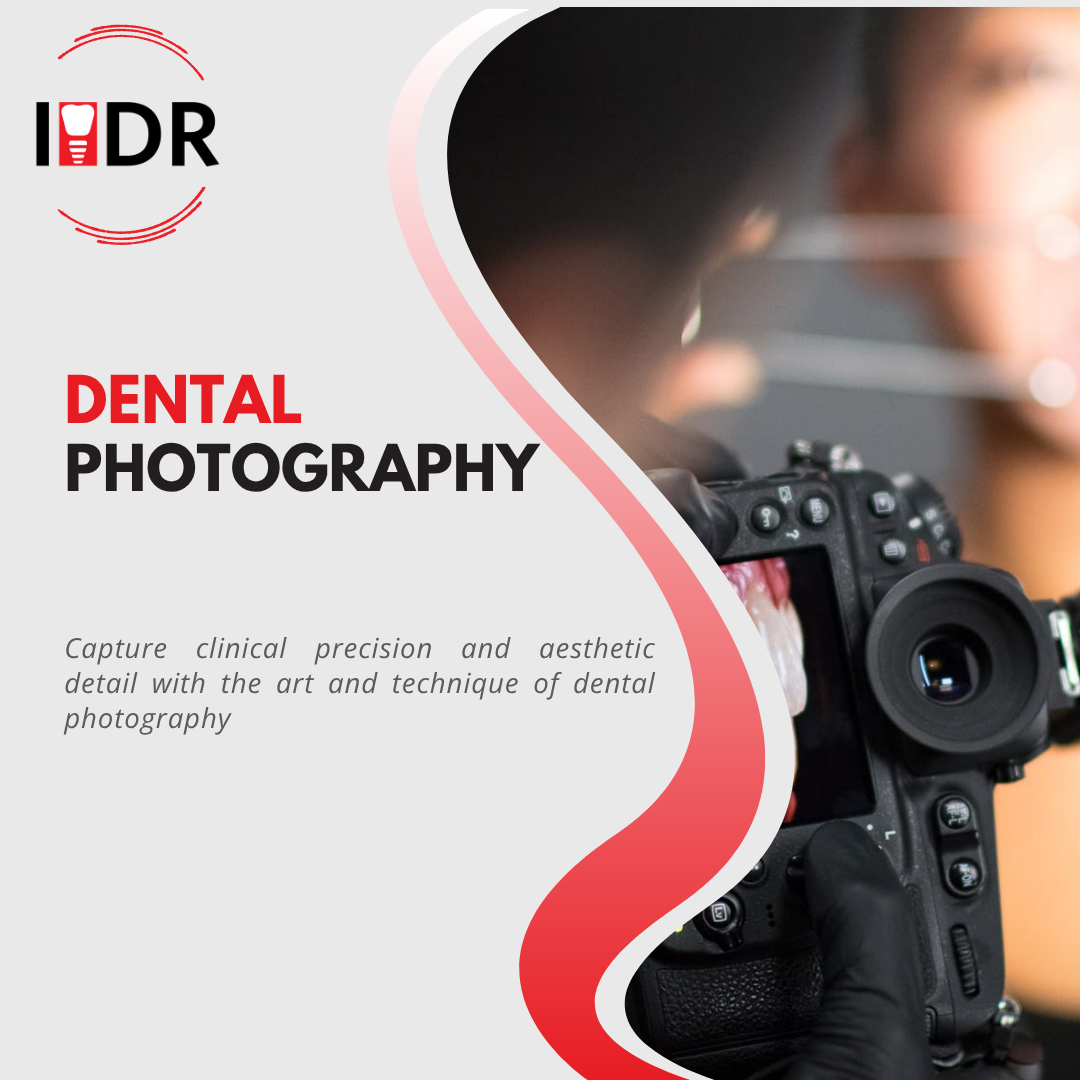
Dental photography in dentistry is an essential tool, serving various purposes such as documentation, diagnosis, treatment planning, patient education, and marketing. High-quality dental images help clinicians track treatment progress, communicate with laboratories, enhance educational presentations, and showcase their work for …
Overview
Dental photography in dentistry is an essential tool, serving various purposes such as documentation, diagnosis, treatment planning, patient education, and marketing. High-quality dental images help clinicians track treatment progress, communicate with laboratories, enhance educational presentations, and showcase their work for professional growth. This webinar covers the fundamentals of dental photography, including equipment selection, techniques, settings, lighting, and best practices.
We will be covering dental photography under the following sub headings:
1. Importance of Dental Photography
2. Equipment Selection
3. Camera Settings
4. Photography Techniques
5. Common Mistakes
6. Best Practices
7. Storage and Editing
1. Importance of Dental Photography
Dental photography is vital for accurate documentation, diagnosis, and communication. It helps record pre- and post-treatment images, supports treatment planning, and enhances patient education. It also improves lab communication for shade matching.
2. Equipment Selection
Choosing the right equipment ensures clear, detailed images. The types of equipment we have are:
a. Camera Types- DSLR Cameras, Mirrorless Cameras, Point-and-Shoot, Smartphones
b. Macro Lenses
Essential for close-up clarity. Use lenses like Canon 100mm, Nikon 105mm, or Sony 90mm Macro.
c. Lighting Options
Good lighting avoids shadows and ensures color accuracy.
d. Accessories
Retractors, mirrors, and contrastors improve visibility. Use tripods for steady, professional shots.
3. Camera Settings
Master manual settings for sharp, accurate images.
4. Photography Techniques
- Extraoral: Capture frontal, profile, and smiling views for aesthetics.
- Intraoral: Take full arch, buccal, and close-up shots using retractors and mirrors.
- Shade Matching: Use a gray card or shade guide with even lighting for accuracy.
5. Common Mistakes
Avoid blurry images, shadows, wrong colors, poor positioning, and exposure issues. Use correct focus, lighting, white balance, and angles for consistency.
6. Best Practices in Dental Photography
Use consistent lighting, backgrounds, and patient positioning. Keep the camera parallel to the occlusal plane. Train your team for uniform, high-quality results.
7. Storage and Editing
Shoot in RAW for flexibility. Organize by patient name and date with cloud backups. Edit using Adobe Lightroom, Photoshop, or Smile Designer Pro for professional outcomes in dental photography in dentistry.
Dental photography is an invaluable tool for enhancing clinical practice, improving communication, and documenting cases effectively. With the right equipment, techniques, and practice, dentists can capture high-quality images that support diagnosis, treatment, education, and professional growth.
Curriculum
- 3 Sections
- 4 Lessons
- 156 Minutes
- Introduction3
- Quiz1
- Apply for Certificate1
Instructor


FAQs
Requirements
- BDS, MDS
- Participants should have a foundational understanding of dental anatomy and clinical procedures, as photography is applied in documentation, diagnosis, treatment planning, and patient communication.
- Digital Camera (Not Mandatory)
- Mobile Phone (Mandatory)
- Internet Access
- English Language Proficiency
- With an interest to upskill yourself with the latest dental photography techniques
Features
- Basics of Digital Camera
- Technical Settings Dental Accessories
- Master Guide for Success
- Q&A
Target audiences
- Dental Specialists (MDS)
- General Dentists
- Dental Students & Interns
- Dental Educators & Speakers
- Dental Clinic Owners & Marketing Teams
- Researchers & Authors
You May Like

A Beginner’s Guide to Clinical Photography
Clinical dental photography has become an essential part of modern dental practice; therefore, it plays a crucial role in diagnosis, treatment planning, documentation, and patient...


Dentists Induction Training Program
Starting a new role as a dentist in a clinical practice involves more than just clinical knowledge—it requires adapting to the clinic’s workflows, treatment standards,...

Chewable Toothbrush- Oral hygiene on the move
Effective oral hygiene doesn’t always depend on traditional brushing techniques. The chewable toothbrush offers a practical, travel-friendly, and patient-compliant alternative that supports better plaque control...
5 Crucial Mistakes To Avoid In Dental Photography
Dental photography is more than just taking clinical pictures — it’s a powerful tool for documentation, diagnosis, patient education, and professional growth. However, even skilled...


5 Signs Your Dental Practice Is Bleeding Money
Is your dental practice bleeding money? Running a dental practice isn’t just about delivering excellent patient care — it’s also about maintaining a healthy, profitable...
Course Features
- Lectures 4
- Quiz 1
- Duration 156 minutes
- Skill level All levels
- Language English
- Students 22
- Certificate No
- Assessments Yes