
Oral Cancer- Differentiate and Diagnose
Oral cancer refers to cancers that develop in the oral cavity, including the lips, tongue, gums, lining of the cheeks and lips, floor of the mouth, and hard and soft palate. Early detection is crucial for successful treatment, so differentiation …
Overview
Oral cancer refers to cancers that develop in the oral cavity, including the lips, tongue, gums, lining of the cheeks and lips, floor of the mouth, and hard and soft palate. Early detection is crucial for successful treatment, so differentiation and diagnosis play a pivotal role. Here’s a short description:
Differentiating and Diagnosing Oral Cancer:
- Clinical Examination: A dentist or healthcare professional performs a thorough examination of the oral cavity, looking for signs such as red or white patches, ulcers that do not heal, lumps or thickening of tissues, or changes in the appearance of the mucosa.
- Biopsy: If suspicious lesions are identified during the clinical examination, a biopsy is performed to obtain a tissue sample for microscopic examination. This helps confirm the presence of cancerous cells and determines the type and stage of oral cancer.
- Imaging Tests: Imaging tests such as X-rays, CT scans, MRI scans, or PET scans may be conducted to evaluate the extent of the cancer, determine if it has spread to nearby tissues or lymph nodes, and guide treatment planning.
- Staging: Once oral cancer is diagnosed, staging is performed to determine the extent of the disease and its spread. Staging helps determine the appropriate treatment approach and prognosis. Staging may involve clinical examination, imaging tests, and sometimes additional procedures such as endoscopy or lymph node biopsy.
Our speaker Dr Shweta Hinduja will take you through different oral cancer cases and clinical diagnosis.
Curriculum
- 2 Sections
- 1 Lesson
- 90 Minutes
Instructor

FAQs
Requirements
- BDS
Features
- oral cancer, oral pathology, lesions in the mouth, biopsy, staging cancers
Target audiences
- all dental practitioners
You May Like


A Beginner’s Guide to Clinical Photography
Clinical dental photography has become an essential part of modern dental practice; therefore, it plays a crucial role in diagnosis, treatment planning, documentation, and patient...


Dentists Induction Training Program
Starting a new role as a dentist in a clinical practice involves more than just clinical knowledge—it requires adapting to the clinic’s workflows, treatment standards,...
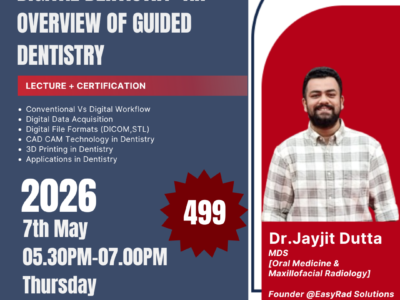

Digital Dentistry: An Overview of Guided Dentistry
Digital Dentistry: An Overview of Guided Dentistry represents a transformative shift from conventional workflows to precision-driven, technology-enabled clinical practice; therefore, it directly influences accuracy, efficiency,...

Saliva as a Diagnostic Tool for Oral and Systemic Disease
Saliva as a Diagnostic Tool for Oral and Systemic Disease represents a paradigm shift from invasive testing to chairside, non-invasive diagnostics; therefore, it directly influences...
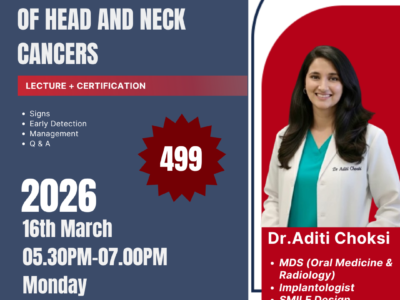

Early Signs and Management of Oral and Maxillofacial Cancers
Signs and Management of Head and Neck Cancers is a critical topic in contemporary dental practice; therefore, it directly impacts early diagnosis, patient survival, treatment...
Course Features
- Lecture 1
- Quiz 1
- Duration 90 minutes
- Skill level All levels
- Language English
- Students 123
- Certificate Yes
- Assessments Yes